













The Panama Canal has been facing ongoing challenges regarding its water supply, an issue dating back to its inception in 1914. While water levels in Gatun Lake were originally sufficient, increasing demands have continuously strained the resource. Several years of drought and El Niño conditions ultimately forced the Panama Canal Authority (ACP) to significantly reduce vessel transits and implement water conservation measures.
In response to the issue, the ACP is planning to build a new reservoir in Coclé province, west of the canal. The proposed Rio Indio reservoir is expected to secure the canal’s freshwater needs for the next 50 years. The project, which has a price tag of around $1.6 billion, is expected to take place over the next six years.
The reservoir was first considered by the U.S. Army Corps of Engineers and canal officials back in the late 1990s. A 2003 feasibility report outlined plans for a concrete-face rockfill dam, a lengthy tunnel, saddle dams, and a power plant.
Every ship that passes through the canal results in nearly 53 million gallons (200 million liters) of freshwater being discharged into the ocean. Rainfall captured in reservoirs supplies the bulk of this water, but those same reservoirs are also used to supply most of the country with drinking water.
Experts say conservation efforts alone cannot meet the canal’s growing water needs. The canal’s water challenges are exacerbated by population growth and increased canal traffic. Gatun Lake, created in 1913 by damming the Chagres River, and Lake Alajuela, formed in the 1930s, are primary water sources. However, El Niño and other climatic changes have resulted in significant water shortages. Reduced vessel transits and water conservation measures, such as using water-saving basins and cross-filling lock chambers, have been implemented to mitigate the situation.
Still, the new reservoir has been deemed essential. The Panamanian government has agreed to expand legal operating limits to include the new reservoir area and lift restrictions on building new reservoirs. The ACP also explored other solutions, including a withdrawn $2-billion conservation project and collaboration with the U.S. Army Corps of Engineers, before deciding on the new reservoir.
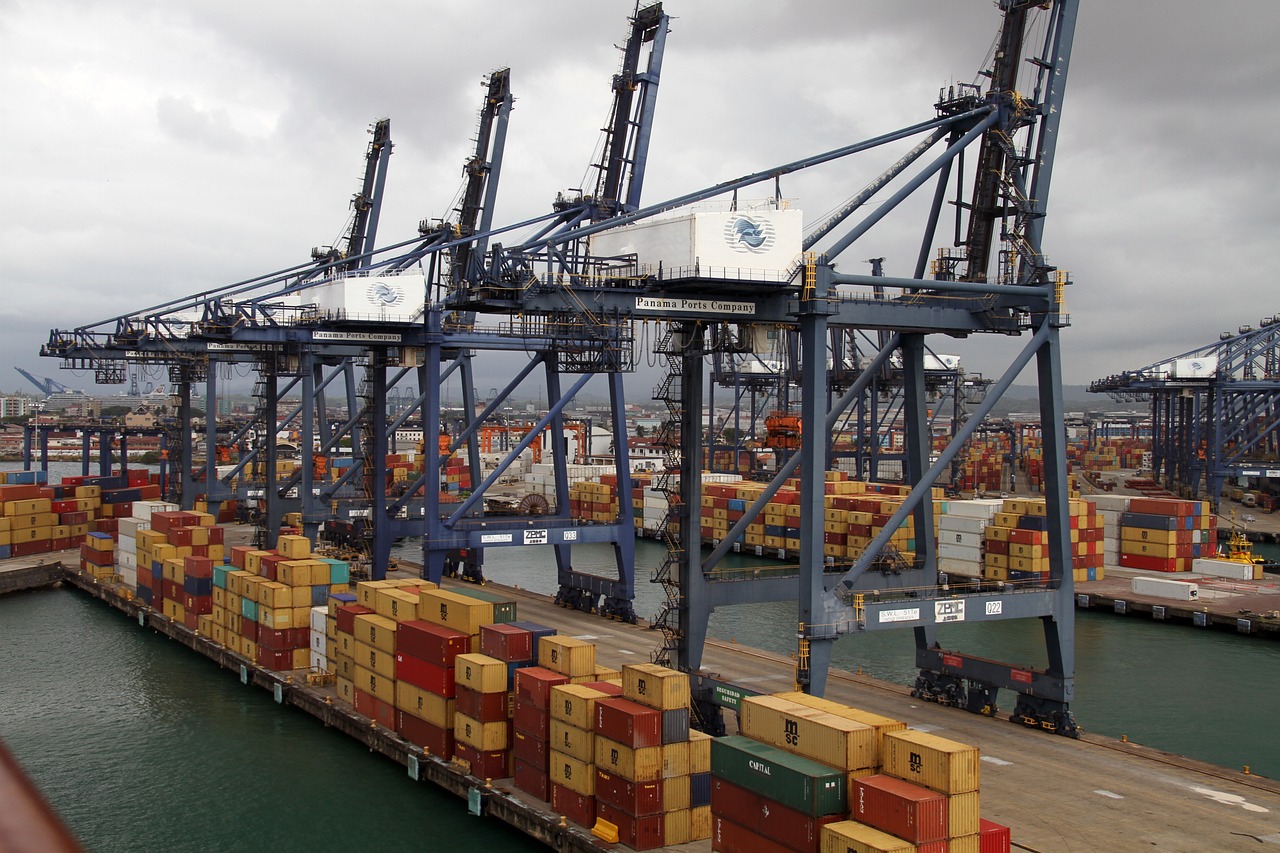
Cover Image Credit: by Monica Volpin//https://pixabay.com/photos/panama-canal-port-containers-trade-4055796/