













Wastewater Clarification Solution: KLa Floating
Overview
Rugged, Non-Shearing Supernatant Extraction for Sequencing Batch Reactors and Aerobic Digesters
In cyclic biological treatment configurations like Sequencing Batch Reactors (SBRs), extracting clarified effluent without disturbing the underlying settled sludge blanket is a critical phase of the process.
Traditional decanting mechanisms are often vulnerable to mechanical failures, foam infiltration, or seal leakage. If a decanter fails to exclude surface scum or pulls active solids from the sludge bed, the facility faces immediate environmental non-compliance and elevated total suspended solids (TSS) discharge violations.
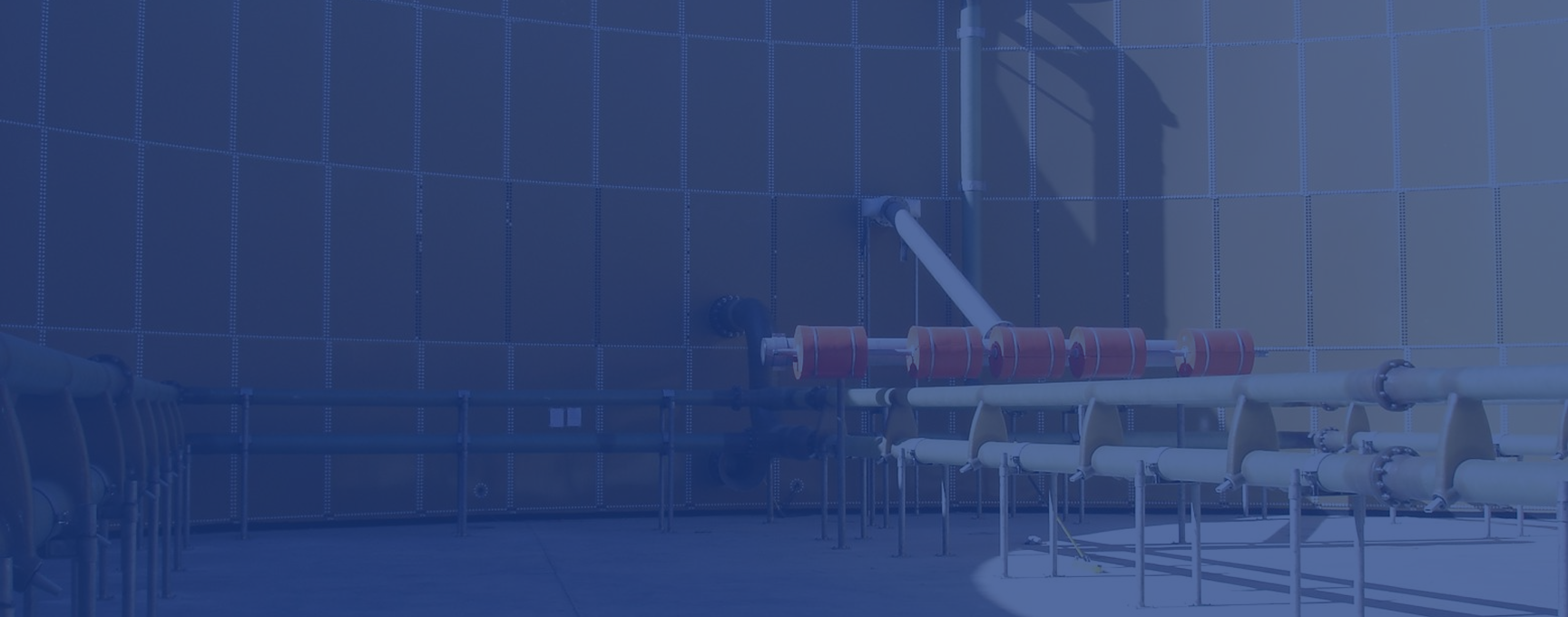
The KLa Floating Effluent Decanter provides a rugged, mathematically validated alternative. Constructed from premium Type 304L stainless steel, this gravity-driven subsurface assembly utilizes high-impact, UV-stabilized polyethylene floats packed with closed-cell polyurethane foam to maintain a perfectly balanced orientation at the liquid interface.
For municipal and industrial operations executing batch processing, KLa decanters deliver repeatable, solids-free supernatant draw-down across an extended operational lifecycle.
SYSTEM PERFORMANCE
Primary Applications
Municipal Sequencing Batch Reactors (SBRs), industrial food and beverage batch treatment plants, aerobic digesters and sludge thickening basins, and variable-volume batch equalization structures.
Core Technology
A heavy-duty sub-surface weir assembly designed to cleanly draw clarified water from near the basin surface.
Key Advantages
Delivers repeatable, solids-free supernatant draw-down. Engineered to exclude all surface materials, drawing fluid from an optimized depth just below the water line.
Challenges
Addressing Common Decanting Extraction Challenges
Batch supernatant extraction requires precise control over fluid velocities to prevent hydraulic vortexing from pulling settled biomass up into the effluent stream.
Generic decanter hardware frequently compromises effluent quality during peak diurnal surges. KLa engineers avoid these risks by utilizing a top-vented air release and adjustable effluent port depths to establish completely stable, predictable draw profiles.
Plants routinely confront:
- Surface scum and foam contamination entering the decant loop.
- Mechanical binding and seal leaks within submerged moving joints.
- Sludge blanket disturbance due to rapid, uncontrolled draw-down rates.
- Corrosive degradation of structural components from process chemicals.
- High maintenance overhead on lower-grade polymeric floating units.
Solution
What Is the KLa Floating Effluent Decanter?
The KLa Effluent Decanter is a heavy-duty sub-surface weir assembly designed to cleanly draw clarified water from near the basin surface.
By combining a simple, robust mechanical profile with highly resilient cast-iron swing joints, the system floats dynamically with changing basin depths.
KLa Decanters are widely deployed within:
- Municipal Sequencing Batch Reactors (SBRs).
- Industrial food and beverage batch treatment plants.
- Aerobic digesters and sludge thickening basins.
- Variable-volume batch equalization structures.


How it works
Protect Effluent Quality with Sub-Surface Gravity Extraction
Securing pristine effluent clarity depends on establishing a calm, non-turbulent entry profile at the collection weir.
Our floating assemblies are engineered to exclude all surface materials, drawing fluid from an optimized depth just below the water line.
The internal swing joint assembly features heavy cast-iron construction fitted with Ni-resist bushings and dual nitrile O-ring seals. This robust pivot connection allows the draw-off pipe to pivot smoothly as the tank level recedes, eliminating structural binding and ensuring leak-proof processing year after year.
Why choose us
Why Facilities Choose KLa Effluent Decanters for Wastewater Treatment

Rugged Materials Construction
Maximum structural resistance in corrosive waste streams.
Fabricated using Type 304L stainless steel for the weir, draw-off pipe, and structural supports to eliminate corrosion vulnerabilities.

Unsinkable Float Performance
High-impact polyethylene floatation stability.
Utilizes heavy-walled, UV-stabilized polyethylene shells filled with closed-cell polyurethane foam to guarantee float buoyancy even if physically impacted.

Sludge Blanket Protection
Adjustable effluent port depth control.
Allows plant operators to tune the extraction velocity and depth parameters, preventing localized upwelling from shearing the settled biomass bed.

Maintenance-Free Submerged Lifespans
Heavy cast-iron swing joints with nitrile seals.
Replaces high-maintenance mechanical packing glands with precision O-ring seals and self-lubricating bushings that require zero routine adjustment.
Customized SBR Engineering Support
Every KLa Effluent Decanter is custom-sized by our applications engineers to align with your batch processing cycles, target draw-down rates, and specific basin geometries, ensuring total mechanical integration with your treatment infrastructure.
Contact us to Learn Morefaqs
Floating Effluent Decanter Frequently Asked Questions
What are floating effluent decanters used for?
Floating effluent decanters are specialized subsurface extraction systems designed to draw clarified liquid from the top layers of batch reactors without pulling up settled solids.
How does the decanter prevent surface scum from entering the effluent?
The collection weir is positioned systematically below the floating plane, ensuring a submerged intake entry profile that naturally excludes surface foam, grease, and scum.
What materials are used in the KLa decanter swing joint?
The heavy-duty pivot joint is cast iron fitted with self-lubricating Ni-resist bushings and chemical-resistant nitrile O-ring seals.
Can the draw-down rate be adjusted?
Yes. By manipulating external control valves or optimizing the adjustable effluent port depth, operators can fine-tune extraction velocities to protect the sludge blanket.
What happens to the decanter during the intensive aeration phase?
The assembly floats naturally with the changing liquid level. Its top-vented air release prevents air pockets from trapping within the piping, ensuring it remains properly oriented during turbulent mixing cycles.
Talk to KLa About Your
Decanting Infrastructure
KLa Systems brings more than 25 years of oxygen transfer and hydraulic processing expertise to your design-build team. Contact our engineering group today to secure complete submittal drawings and sizing matrices.