









Overview
Precision Sub-Surface Fluid Blending and Continuous Solids Suspension Without Tank Dead Zones
Maintaining absolute bulk fluid velocity and uniform chemical distribution within anoxic zones, equalization basins, and anaerobic digesters is critical to preventing process short-circuiting.
Traditional submersible mechanical propeller mixers rely on high-speed submerged blades that create localized energy pools, consume excessive power, and are highly vulnerable to ragging and gearbox seal failures.
KLa Systems Jet Mixers establish uniform, high-volume fluid movement throughout the entire basin using controlled hydraulic thrust. Powered by an external dry-pit pump, our static in-basin nozzle manifolds scour the tank floor, keeping organic starches, fibers, and heavy solids permanently suspended without introducing trace atmospheric oxygen.
For municipal and industrial treatment networks demanding multi-decade operational reliability, KLa jet mixing architectures replace high-maintenance machinery with pre-engineered hydraulic performance.
SYSTEM PERFORMANCE
Primary Applications
Industrial flow equalization (EQ) tanks, denitrification anoxic zones and select tanks, gas-tight industrial anaerobic reactors, thick biosolids storage and sludge blending tanks.
Core Technology
An external liquid pump coupled to a network of strategically positioned, static sub-surface nozzles.
Key Advantages
Continuous solids suspension without tank dead zones.
Challenges
Addressing Common Basin Blending Challenges
Inadequate tank mixing leads to progressive solids deposition, localized septic conditions, and shortened hydraulic retention times (HRT).
Generic, catalog-purchased mixing hardware lacks the precision required for variable-viscosity industrial liquors.
Facilities frequently confront:
- Chronic propeller blinding and motor failures from stringy ragging materials.
- Stagnant dead zones and short-circuiting pathways in complex tank geometries.
- High operational costs from over-powered, un-optimized mixing arrays.
- Mechanical seal and structural bridge failures on top-mounted mixers.
- Inability to service submersed mixer gearboxes without draining active sludge.
Solution
What Is the KLa Jet Mixing System?
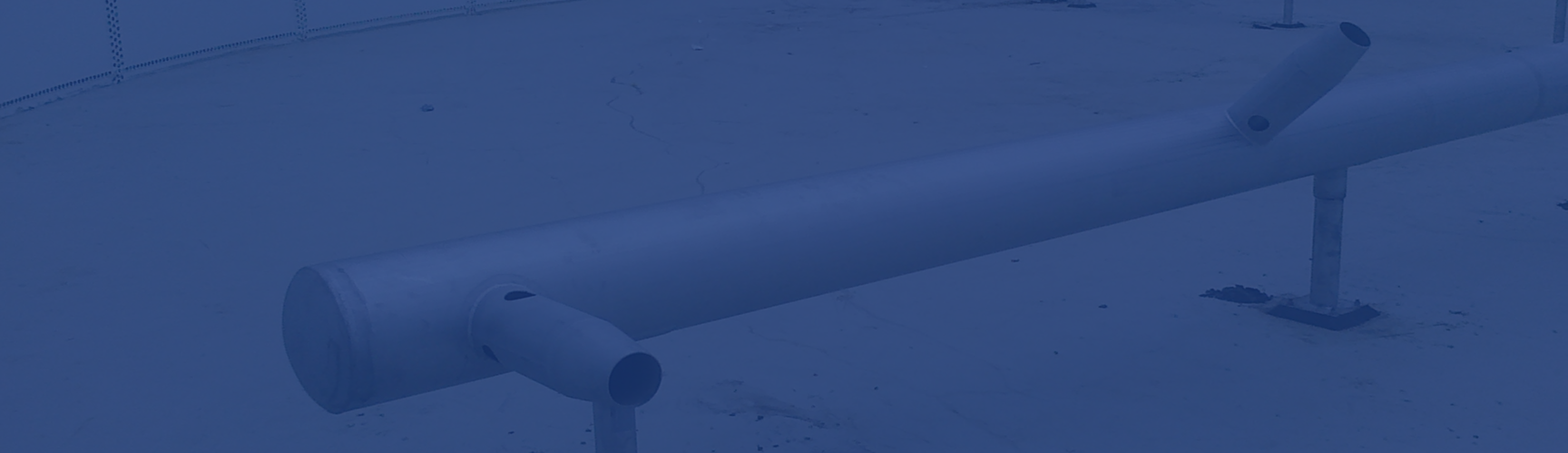
The KLa Jet Mixing System is an engineering framework consisting of an external liquid pump coupled to a network of strategically positioned, static sub-surface nozzles.
By projecting high-velocity fluid plumes horizontally along the basin floor, the system establishes a continuous, toroidal bulk flow pattern.
KLa Jet Mixers are widely utilized within:
- Industrial flow equalization (EQ) tanks.
- Denitrification anoxic zones and select tanks.
- Gas-tight industrial anaerobic reactors.
- Thick biosolids storage and sludge blending tanks.


How it works
Establish Uniform Bulk Fluid Velocity
Securing total basin uniformity requires balancing hydraulic energy inputs against the specific physical characteristics of your waste matrix.
Our external pump forces process fluid through open-orifice composite nozzles near the tank floor, generating a powerful primary jet velocity. As this stream exits, it entrains surrounding liquid, establishing a robust secondary flow volume.
This continuous hydraulic action creates a strong horizontal floor velocity profile, actively scouring the bottom to prevent solids drop-out while completely blending incoming plant influent.
Why choose us
Why Facilities Choose KLa Jet Mixing Systems for Wastewater Treatment

Sized to Process Criteria
Optimized mixing intensity equations.
We tune power density parameters (Bhp/MG or W/m3) precisely to match your target TSS concentrations and hydraulic retention times.

Expansive Energy Distribution
Distribute hydraulic force across up to 100 locations.
Splitting mixing energy prevents localized hot spots, ensuring uniform solids suspension across large-diameter tank geometries.
Ideal for Sealed Anaerobic Digesters
Because KLa jet mixers use entirely static in-basin components, they are uniquely suited for closed, gas-tight anaerobic reactors where pulling or maintaining a submersible propeller mixer would force a major facility outage.
Contact us to Learn Morefaqs
Jet Mixing System Frequently Asked Questions
What are jet mixing systems?
Jet mixing systems are sub-surface hydraulic configurations that utilize an external pump and static floor nozzles to circulate fluid and suspend solids without introducing oxygen.
How do jet mixers eliminate tank short-circuiting?
By splitting hydraulic force across multiple distributed locations, the nozzles establish a continuous toroidal flow profile that eliminates stagnant pockets.
What is mixing intensity, and how is it measured?
Mixing intensity, or power density, is measured in Bhp/MG or W/m3. It defines the baseline energy input required to blend a specific volume based on TSS loading.
Can KLa mixing designs handle highly viscous industrial sludge?
Yes. Our engineering team custom-sizes pump flow rates and nozzle orientations to overcome the high resistance profiles of thick industrial biosolids.
What maintenance is required for the submersed hardware?
None. Because the in-basin infrastructure contains zero moving seals, gearboxes, or electrical linkages, routine servicing is limited strictly to the dry-pit pump.
Talk to KLa About Your Tank
Mixing Dynamics
KLa Systems brings over 25 years of specialized hydraulic performance to your project team. Contact our applications group to initiate a mixing audit or secure comprehensive system submittals.