












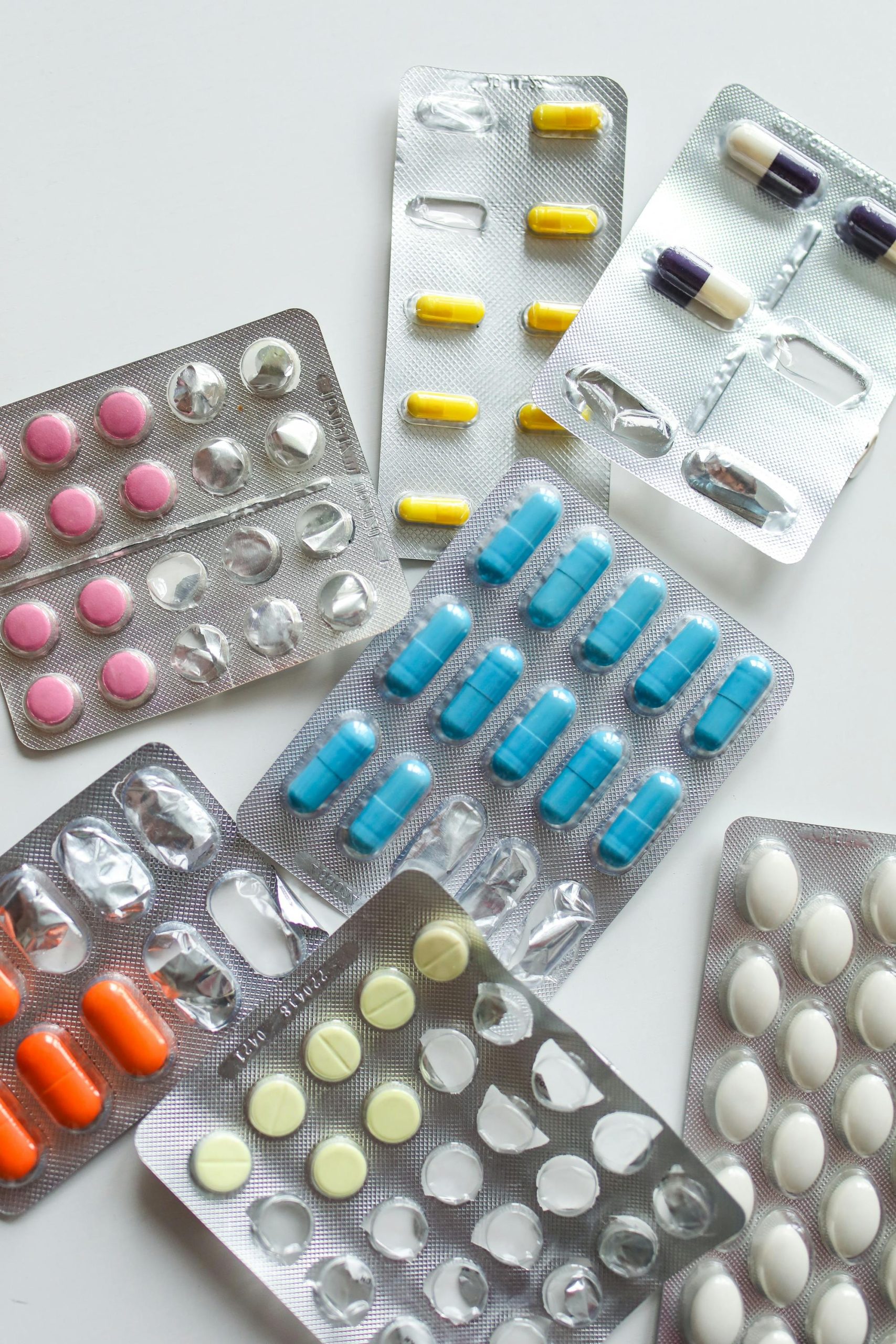
Among the many contaminants found in industrial and commercial wastewater, active pharmaceutical ingredients (APIs) can be some of the most challenging, both in terms of environmental impact and removal difficulty. APIs are commonly found in effluent from pharmaceutical manufacturing, large-scale livestock operations, hospitals, cosmetics and personal care product manufacturing, and many more. While there are many wastewater treatment technologies that can mitigate APIs, studies show that those utilizing aeration processes are among the most effective.
Aeration helps overcome oxygen limitations in biological treatment systems, accelerating API breakdown and reducing environmental toxicity. They do this by enhancing oxidative biodegradation.
For example, in nature-based systems like constructed wetlands (CWs), the filter beds are often permanently waterlogged, resulting in near-zero dissolved oxygen levels. Aeration introduces oxygen into the subsurface of these systems, which stimulates oxidative processes that are essential for breaking down pharmaceuticals with a high biodegradation potential.
Research shows that aerated systems have demonstrated removal efficiencies of more than 83% for certain APIs, including acetaminophen, diclofenac, ketoprofen, bezafibrate, and gemfibrozil. However, while highly effective for biodegradable drugs, aeration has less impact on non-biodegradable compounds, such as carbamazepine and lorazepam. These compounds often require media adsorption.
Operational Strategies for Efficiency
Industrial and municipal treatment plants can utilize different aeration regimes to balance API removal with energy costs:
- Continuous Aeration: This strategy generally provides the highest removal efficiency for pharmaceuticals and the greatest reduction in environmental risk to aquatic ecosystems.
- Intermittent Aeration: Research shows this to be a more sustainable option for some applications because it offers similar API removal performance to continuous aeration while significantly reducing energy costs. Interestingly, intermittent aeration has shown slightly better results for reducing total nitrogen and chemical oxygen demand (COD) than continuous aeration.
Mitigating Environmental Risk and AMR
The use of aeration in industrial wastewater treatment is an essential part of a robust environmental risk management strategy. Specifically, by improving the removal of antibacterial residues at manufacturing sites, aeration helps prevent antimicrobial resistance (AMR) in local waterways. Moreover, effective aeration reduces the Hazard Quotient (HQ) of discharged wastewater. Without such treatment, high concentrations of APIs discharged into public wastewater plants or rivers can create “hotspots” for resistance selection.
Integration with Advanced Treatments
Of course, as mentioned, some pharmaceutical compounds are more stable and difficult to break down. In such cases, aeration must be included as part of a larger treatment chain. Technologies such as advanced oxidation processes (AOPs), including ozonation, can be used as a pre-treatment to break complex organic compounds into smaller, biodegradable molecules. Once these stable chains are broken, standard biological treatment (which relies on aeration) can more effectively complete the remediation process. In addition, membrane and adsorption media can act as a tertiary treatment process to remove compounds that survive biological treatment.
Featured Image Credit: Photo by Polina Tankilevitch:https://www.pexels.com/photo/photo-of-assorted-capsules-3873147/