












On September 10, 2025, the U.S. Environmental Protection Agency (EPA) announced a major regulatory shift, granting the State of Arizona primary enforcement authority, or “primacy,” over all classes of underground injection wells within its borders. This decision transfers regulatory power for the federal Underground Injection Control (UIC) program from the EPA to the Arizona Department of Environmental Quality (ADEQ). While UIC primacy is usually focused on Class VI wells for carbon capture and storage (CCS), this ruling is most critical for Arizona’s long-term water management and resource protection.
The UIC program regulates six classes of wells, safeguarding underground drinking water sources by regulating everything from hazardous waste disposal (Class I) to industrial fluids and resource extraction. Unlike other states that have sought primacy for specific classes, Arizona did not previously hold primacy over any UIC well classes before this comprehensive grant. With its new authority, ADEQ will oversee all underground injection, including critical operations like the safe disposal of hazardous waste far below drinking water resources via Class I wells.
Injection wells are already an essential component of Arizona’s water infrastructure. The most common uses involve water management, such as draining stormwater or actively recharging aquifers. Cities like Tucson rely heavily on this technology, injecting Colorado River water received via the Central Arizona Project into naturally formed aquifers for storage before pumping it back out later. Currently, groundwater provides 41% of the state’s overall water use, emphasizing the importance of managing these underground resources safely.
Looking ahead, as Arizona faces hotter and drier conditions, injection wells are poised to play an even more significant role in adapting the state’s infrastructure. One potential area of growth is desalination. Arizona sits above more than 600 million acre-feet of salty groundwater, equivalent to roughly 46 years of Colorado River flows at their current average. While desalination could unlock new water sources, the process produces a significant amount of brine reject. Injection wells offer a method for deep. under-the-earth disposal of this brine. They are also vital to Arizona’s status as the nation’s largest copper producer, with mines using them to pump chemicals like sulfuric acid underground to extract copper.
Ultimately, state officials argued that transferring oversight to ADEQ makes common sense. The EPA determined that ADEQ’s program meets all federal requirements and has the necessary resources and statutory authority. State leaders believe this change will protect underground sources of drinking water while spurring economic growth. With primacy, Arizona can make decisions faster and tailor oversight to the state’s unique groundwater conditions. This move toward local expertise is expected to streamline permitting and ensure that Arizona’s valuable water resources are managed with the highest standards of protection.
The EPA’s decision to grant Arizona full primacy reflects a broader national trend toward state-led oversight of the Underground Injection Control (UIC) program, which the administration characterizes as a “cooperative federalism approach”. This action makes Arizona the fifth state to receive primacy for Class VI wells since 2018, joining North Dakota, Wyoming, Louisiana, and West Virginia. This trend is expected to continue, with Texas also seeking approval. As more states gain this authority, project proponents anticipate that it will play a critical role in national water security.
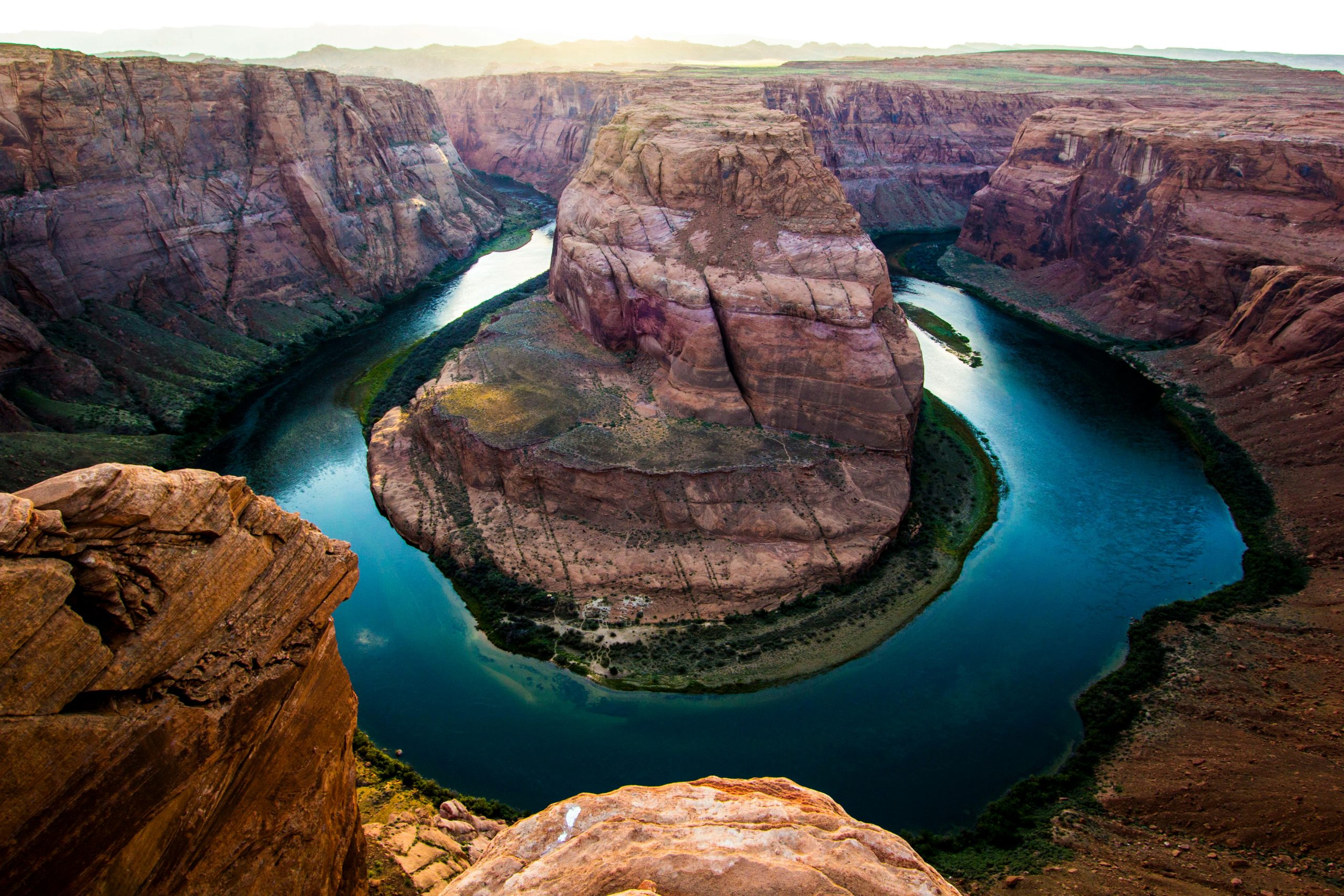
Featured Image Photo Credit: https://www.pexels.com/photo/birds-eye-photography-of-horseshoe-bend-arizona-569202/