











Source: KLa Systems
 In biological wastewater treatment, any of a number of critical challenges can arise due to limitations in oxygen transfer and mixing efficiency. While diffusers have long been a common approach to creating an aerobic environment, over time their passive aeration method is prone to underperformance. Thankfully, jet aeration succeeds in many of the areas where diffusers fall short. By leveraging a high-velocity liquid stream combined with air injection, jet aeration systems offer superior oxygen transfer and enhanced mixing capabilities, which improves treatment efficiency and overcomes longstanding operational hurdles. This article delves into the six most prevalent wastewater treatment issues in industrial wastewater treatment plants and explores how jet aeration and jet mixing technology can effectively mitigate them.
1. Low Dissolved Oxygen Levels
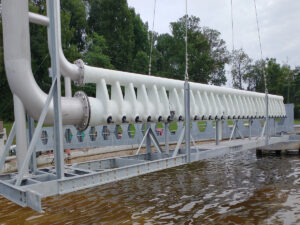
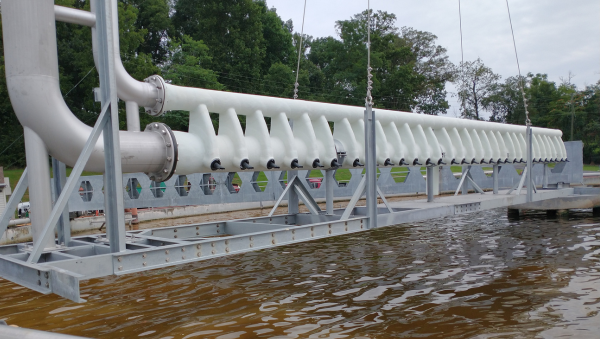
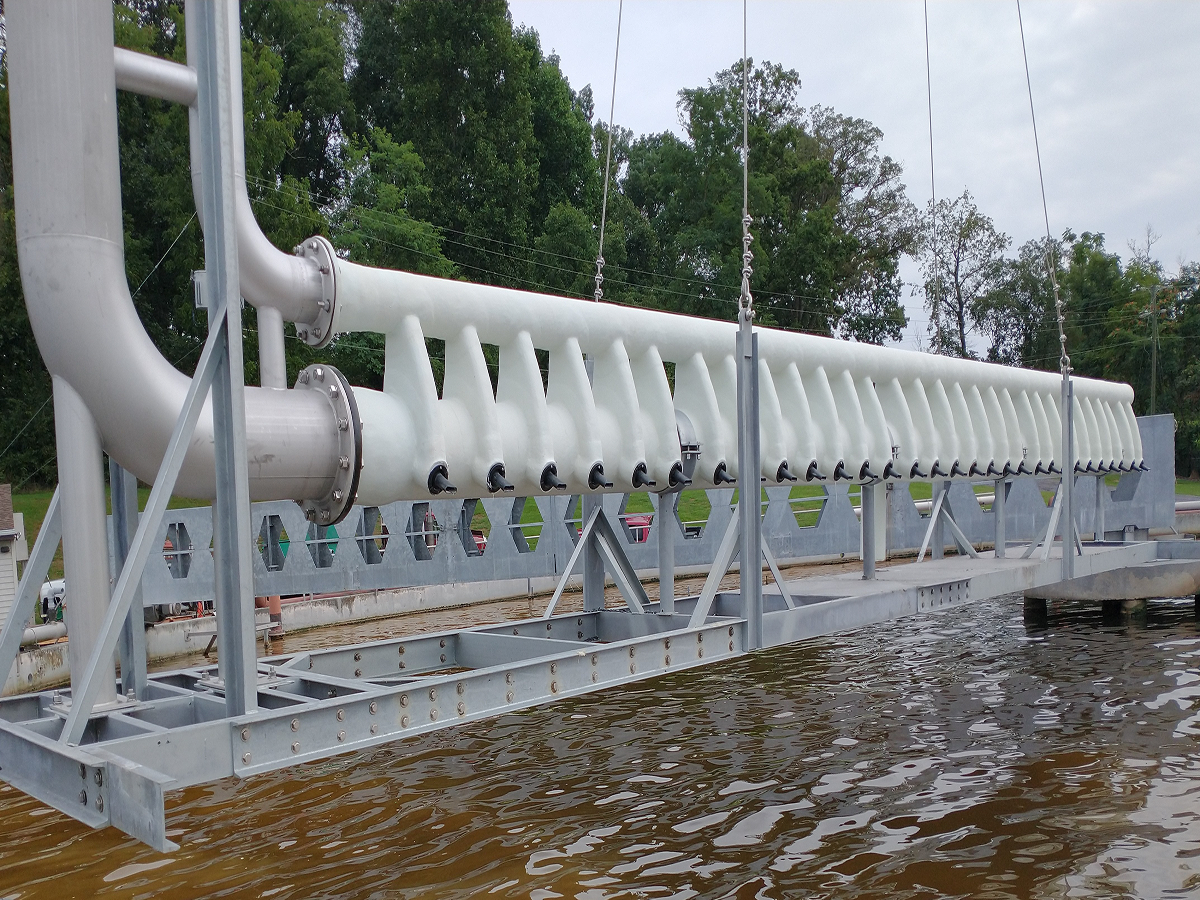
Figure 1. Drop-In Slot Injector™ Aerator
Maintaining adequate levels of dissolved oxygen (DO) is essential for supporting aerobic bacterial activity that is crucial for effective treatment. Low DO levels can significantly hinder treatment processes, leading to system failure and foul odors, particularly in equalization (EQ) tanks.
Unlike diffusers, jet aeration forcefully injects air into the wastewater. This mechanical agitation leads to quicker and more effective oxygenation. This, in turn, increases DO levels, promoting aerobic conditions conducive to the growth and activity of beneficial microorganisms.
3. Sludge Settling
Efficient settling of the mixed liquor is essential for separating solids from treated water and preventing carryover of suspended solids. In the absence of sufficient oxygen, microbial floc formation may be compromised, leading to the production of dispersed and lighter, less settleable solids. Inefficient sludge settling can result from various factors, including low DO, inadequate mixing, and poor floc formation.
When rescuing clogged or failed diffuser systems, jet aeration systems rapidly raise dissolved oxygen levels and, over time, this improves sludge settling characteristics by enhancing floc formation and settling velocity. In addition, the increased agitation promotes the aggregation of suspended solids, facilitating their separation from the treated water. This ensures clearer effluent and minimizes the need for additional chemical treatments, leading to cost savings and improved treatment efficiency.
4. Poor Mixing
Uniform mixing is crucial for distributing oxygen, nutrients, and microorganisms evenly throughout wastewater, optimizing treatment efficiency. Inadequate mixing can result from factors such as bad design, clogged diffusers, or mechanical issues, leading to inefficient treatment.
Jet aeration technology creates turbulence and agitation to mix wastewater. Unlike traditional aeration methods, jet aeration systems offer greater control over airflow, allowing operators to adjust mixing intensity as needed. This ensures uniform distribution of oxygen and nutrients, promoting optimal conditions for microbial activity and enhancing treatment efficiency.
5. Stratification
During start-up of large sloped wall equalization, aerated stabilization, and anaerobic contact basins, thermal stratification can lead to temperature variations that affect microbial activity and treatment efficiency. Hydraulic mixing performance of the jets disrupts thermal stratification by efficiently circulating and distributing the mixing energy throughout the basin volume.
Figure 2. Sloped Wall Slot Injector™ System
Using strategically positioned jets to thoroughly agitate the water column prevents temperature variations and maintains consistent conditions throughout the basin, facilitating efficient treatment.
6. Excess Volatile Organic Compounds
Volatile organic compounds (VOCs) can appear in the off-gas in any kind of wastewater but are particularly common in a range of industrial markets, such as refinery, petrochemical, pharmaceutical, printing and packaging, and more. VOCs are generated in the aeration process, and their removal is crucial for meeting regulatory air requirements and protecting the environment.
Jet aeration technology uses significantly less air input than traditional air diffuser systems, and the superior agitation from the mixing process enhances VOC stripping. Thermal oxidizers are a common method for destroying VOCs by continual removal of the gas that collects at the surface of the aeration basin and transporting it to the oxidizer. The less air required to operate the biological process means the VOC removal and destruction system requires less volume of gas to be treated. Therefore, there is a reduction in the size of the VOC transport piping and the thermal oxidizer, reducing capital and operating costs for the end user.
Jet aeration technology offers a practical solution to address the diverse challenges encountered in wastewater treatment processes. From combating low DO levels to ensuring more effective mixing, jet aeration and jet mixing enhance treatment efficiency and ensure the delivery of high-quality treated effluent. The high level of turbulence and agitation used in jet aeration facilitates optimal conditions for microbial activity