





How To Know You’re Working With The Right Technology Provider
Choosing a technology provider to supply a solution for water or wastewater treatment is no small task. Frankly, there’s a lot at stake, from large sums of money to the efficacy of an entire operation hinging on the right decision. But with so many options out there, what qualities do you need to look for to guarantee you’re making the right choice?
To get an answer, Water Online spoke with Fred Siino from KLa Systems. Having provided jet aeration and mixing systems to industrial, utility, and municipal customers for over 15 years, KLa knows a thing or two about the practices and qualities that leave customers satisfied. We talked about the signs that indicate you are working with a quality technology provider, the process of getting an operational problem solved from start to finish, and much more.
What do you think customers look for in a water and wastewater technology provider?
I believe the primary quality that a customer wants and deserves is to work with a provider that is eager to do everything they can to meet their needs and address whatever issues they may be having. We strive to respond to customer inquiries with a sense of urgency and have found that rapid responsiveness separates KLa from the rest of the market in their minds.
What are some signs that will tell a water or wastewater treatment operation that they are working with a solid technology provider?
If we determine that a certain project is not a good fit for us, we will be honest about that and refer them to competitive technologies or specific companies that we think would be a better fit for them. We’ve often heard that our competitors don’t do this, but we think it is a sign that we honestly want to help these operations find the best-possible solution, even if we don’t directly benefit.
If we are working to help a customer with a project, we will usually perform a site visit with one of our engineers, a local KLa Systems representative, the end user and/or consulting engineer, and the turnkey contractor or design-build team. This is an important step because it gives everyone a chance to get on the same page and assess the needs of the project up close. We will use the information accrued during the site visit to refine our offer to better fit the project. Customers should always make sure the provider they choose is working with them hands-on.
How do you typically interact with your customers to make sure they are getting the right solution?
Usually the first contact comes from questions they have about how suitable our technologies are for a particular project they have. This could involve an initial phone call or email thread going over the project information, giving us a chance to analyze any data they may have or request more information if necessary.
Next, we will develop a preliminary proposal and a cost estimate. We usually compare two of our technology options to give the customer or consulting engineer a sense of the relative features and benefits, so they can make a more informed decision.
Why is it important for a technology provider to work with pilot plants?
For industrial applications, a pilot plant gives the technology provider a chance to ensure that the solution will actually work for the customer as designed. This illustrates that the provider is thinking through the needs of its customers, from the development of a solution to its actual implementation in operations.
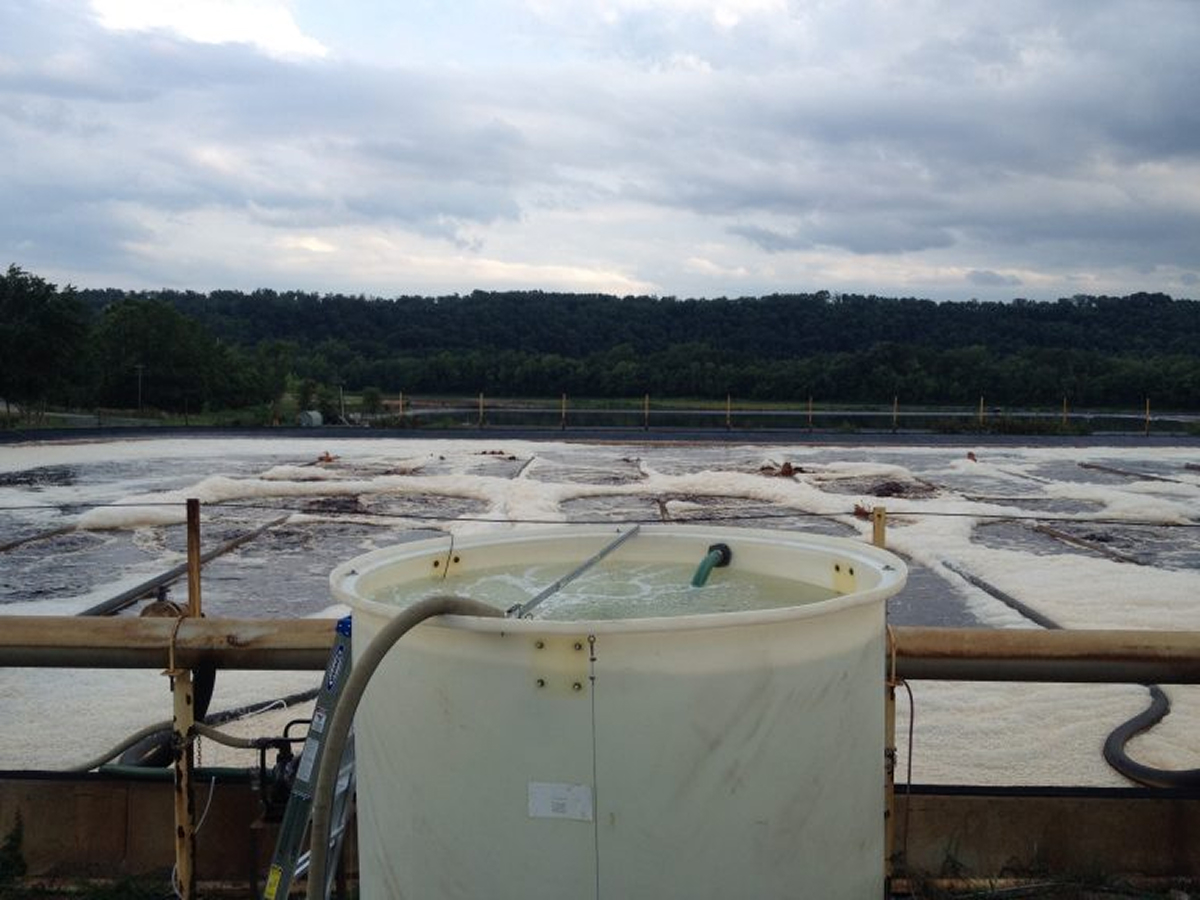
We work very hard to ensure that a complex production facility’s effluent is well-defined, so that there won’t be any surprises during a plant start-up. We maintain a 2,000-gallon pilot test tank that we can send out to plant sites and carry out oxygen-transfer tests. This lets us confirm whether or not there is anything in their effluent they may inhibit mass transfer or present other treatment challenges. This could be due to naturally occurring compounds, CIP [clean-in-place] chemicals, polymers for improved solids separation, defoaming agents, or other issues. If further evaluations are necessary, we turn to our test facility in Massachusetts.
What type of service should a water or wastewater treatment operation expect from a technology provider up until the equipment arrives on site?
We would recommend only working with a company that is customer-driven and prepared to handle all aspects of project management from the initial purchase order to plant commissioning. The best companies consistently get this right and always keep the lines of communication open to address any and all challenges along the way.
c/o wateronline.com