













An innovative wastewater treatment team in Washington State has struck upon a decidedly natural way of removing a stubborn pest.
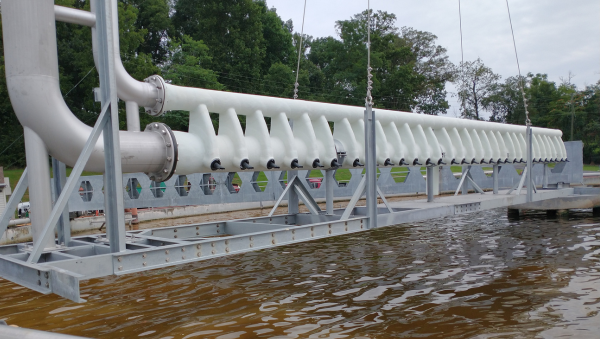
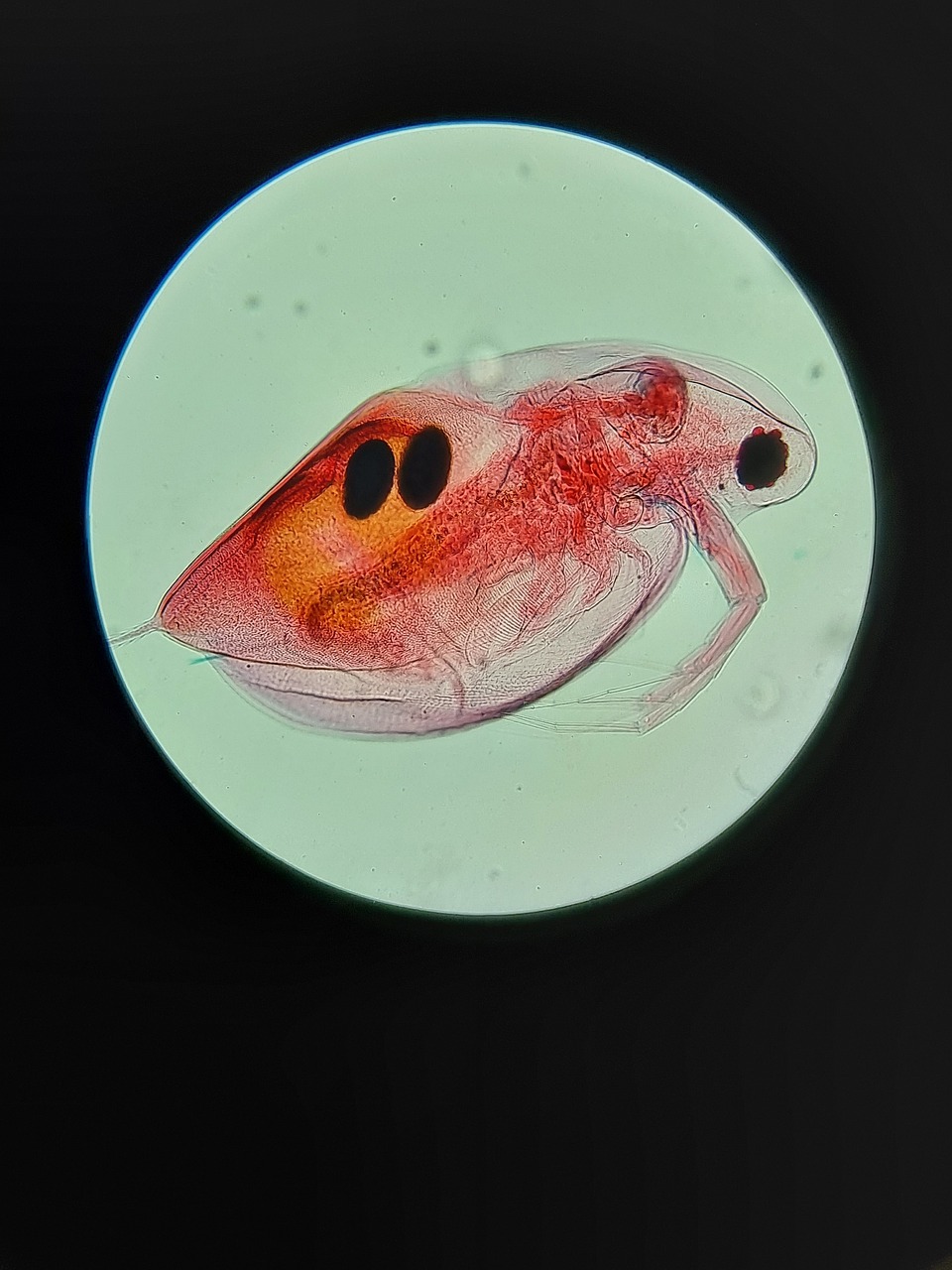
“For weeks the staff at the Clarkston Wastewater Treatment Plant battled an aggravating overpopulation of Daphnia in the secondary clarifiers,” Treatment Plant Operator reported. “The tiny crustaceans, often called water fleas, were reproducing in such numbers that they were clogging the screens. A team member suggested putting fish into the clarifiers to eat the Daphnia — and it worked. The Daphnia disappeared.”
While the solution may have been novel, the problem faced by the wastewater plant was not. Daphnia, or ceriodaphnia, are fairly common infestors, even if they are exceptionally disruptive.
“Most well-run wastewater treatment plants may experience effluent quality issues in the spring, when reddish blooms often appear in the final clarifier and cause higher TSS,” according to Wastewater 101. “These reddish blooms are caused by a proliferation of ceriodaphnia (water fleas).”
The Clarkston staff’s fishy solution to the problem worked remarkably well, though it did come at a cost: when the clarifiers were drained, they found that all of the bluegills had disappeared. The city’s public works director, Kevin Poole, theorized that the fish had escaped into the river, though he said it was unlikely they could have survived traveling through the plant’s ultraviolet channel.
For the bluegill, this would not be the only threat posed by wastewater treatment plants. A recent scientific study found that these operations can threaten their health in the environment, even if they are not directly involved in maintaining the infrastructure.
“We caged bluegill sunfish … for 21 days at two sites downstream … from a wastewater treatment plant,” per the study’s abstract. “Survival was reduced in fish caged at both downstream sites compared to an uncontaminated reference site.”
Still, despite potential threats to the wellbeing of the bluegill, the Clarkston Wastewater Treatment Plant would happily deploy their solution for water fleas in the future.
“If the plant were to have another Daphnia bloom, Poole wouldn’t hesitate to use the same technique again,” Treatment Plant Operator reported. “And why not? The fish worked quickly, they didn’t cause any regulatory issues, and they managed to clean up after themselves. From a sustainability point of view, it was practically perfect.”
Featured Image Credit: https://pixabay.com/photos/daphnia-microscope-water-flea-pond-7468986/