













Large Boat ‘Scrubbers’ Clean The Air At The Expense Of Source Water Quality
While the use of exhaust “scrubbers” on seabound vessels may be benefiting air quality, it now seems that this trend is coming at the expense of the world’s source water.
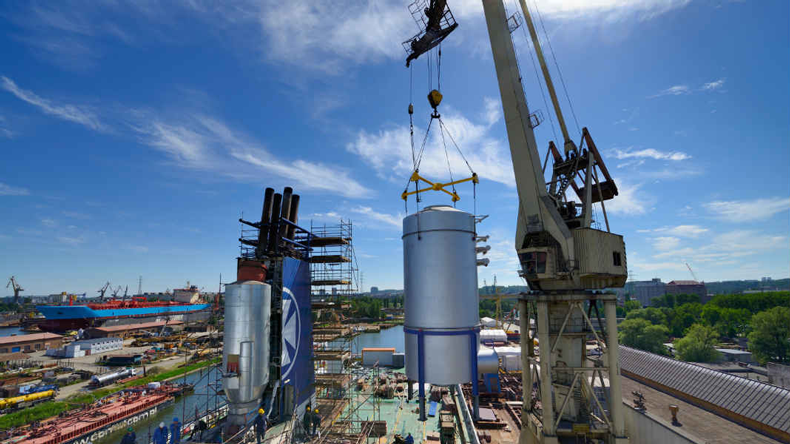
“Scrubbers, which sit in the funnels, or exhaust stacks, of ships, use sea water to spray or ‘scrub’ the sulphur dioxide pollutants from the engine’s exhaust,” The Guardian reported. “Most vessels use an open-loop system, meaning that instead of holding waste in a tank to be disposed of at dedicated port facilities, the ships directly dump the acidic wash — up to 100,000 times more acidic than seawater — overboard.”
The use of scrubbers became widespread in recent years as the International Maritime Organization began working to lower carbon emissions from boats. In 2018, only about 732 ships were outfitted with them, per The Guardian. But by 2020, that number surged to more than 4,300.
As these devices contaminate the oceans with exhaust wastewater, they are putting marine life at risk and, as this source water eventually finds its way to water systems and consumers, they are potentially jeopardizing drinking water quality as well.
“The toxins do not just disappear,” The Guardian reported. “Aside from being acidic, scrubbers contain heavy metals that accumulate in marine food chains… What most concerns experts, though, are polycyclic aromatic hydrocarbons (PAHs). These have been linked to several types of cancers and reproductive dysfunction in marine animals.”
This dynamic and its danger to consumers may have been best summed up in recent comments from World Wildlife Fund’s Sam Davin.
“Davin described scrubbers as a ‘loophole technology’ that allows cruise companies to skirt air pollution regulations by redirecting pollutants into the water instead,” The Toronto Star reported. “As the toxins move up the food chain, humans will inevitably be affected, Davin continued.”
The negative source water impact from scrubbers demonstrates just how much work is still needed to be done to convince industries around the world that protection of our source water is of paramount importance. Clean air will mean much less if it comes at the cost of consuming toxins at the tap.
Featured Image Credit: https://lloydslist.maritimeintelligence.informa.com/LL1128170/Around-4000-vessels-to-have-scrubbers-by-2020