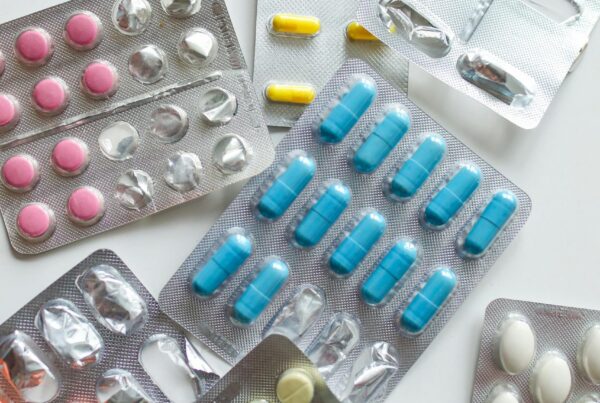















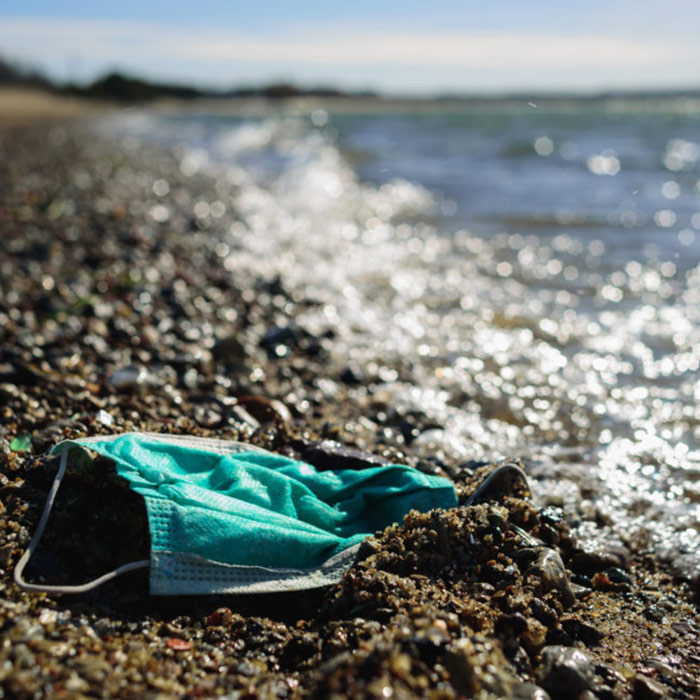
Switzerland spends more than $200 million annually to combat littering, but this year its cleanup efforts feature a new type of rubbish: discarded face masks used for COVID-19 protection.
When Let’s Do It Switzerland joined the annual World Cleanup Day event in September, the more than five tons of garbage collected by more than 1,000 volunteers included more than 500 masks. More than 100 masks alone were found near Lake Geneva, which has seen more gatherings than usual as the virus has forced restaurants and bars to close.
Mask pollution at Lake Geneva is a microcosm of the looming problem for global waterways.
Sales of disposable masks are expected to more than double to nearly $170 billion this year as they are being promoted as a key to slowing the spread of COVID-19. Based on historical data, as much as 75 percent of the used masks will likely make their way into landfills or end up floating in lakes, streams, and oceans.
If not managed properly, officials are concerned there could be a new wave of uncontrolled dumping of environmentally harmful single-use plastics, such as masks and other COVID-related medical waste. Aside from the environmental damage, the financial cost to tourism and fisheries could reach $40 billion, according to the UN Environment Programme (UNEP).
The potential consequences include public health risks from infected used masks and the open burning or uncontrolled incineration of masks, leading to the release of toxins in the environment and secondary transmission of diseases to humans. As a result, UNEP is urging governments to treat the management of waste, including medical and hazardous waste, as an essential public service.
“Plastic pollution was already one of the greatest threats to our planet before the coronavirus outbreak,” says Pamela Coke-Hamilton, UNCTAD’s director of international trade. “The sudden boom in the daily use of certain products to keep people safe and stop the disease is making things much worse.”
One part of the solution could be making masks and other medical products from biodegradable or more easily recyclable alternative materials, such as natural fibers, rice husk, and natural rubber. These products would be more environmentally friendly and, as developing countries are key suppliers of many plastic substitutes, could provide the added benefit of boosting those economies.