














New Orleans may have survived Hurricane Katrina, but newer stresses are impeding the region’s ability to process stormwater runoff to prevent flooding and groundwater contamination. Storms, which are dumping more water into New Orleans than ever amid climate change, are the big contributor. However, humans aren’t making things any easier.
Following torrential rain from a thunderstorm in 2017 that damaged homes and businesses and rendered many cars undrivable, for example, city contractors with truck-mounted vacuums pulled 7.2 million pounds of trash from storm drains. After more recent flash flooding, workers pulled a Mazda 626 out of the city’s drainage system along with portions of another car, a sofa, bicycles, shopping carts, and other debris.
Because it sits below sea level, New Orleans is protected by levees that keep water from the Mississippi River and Lake Pontchartrain from flowing into the streets. However, it is also protected from everyday stormwater runoff by a system of drains, pumps, and drainage canals that haul water up and out of the city.
Some of those pumps are quite old and prone to breakdowns. Even when the pumps are operational, the drainage system can struggle to do its job if pathways for water are clogged.
Beaded necklaces are synonymous with Mardi Gras in New Orleans, but their impact on the storm drains — while not widely known — has been massive and continues to grow.
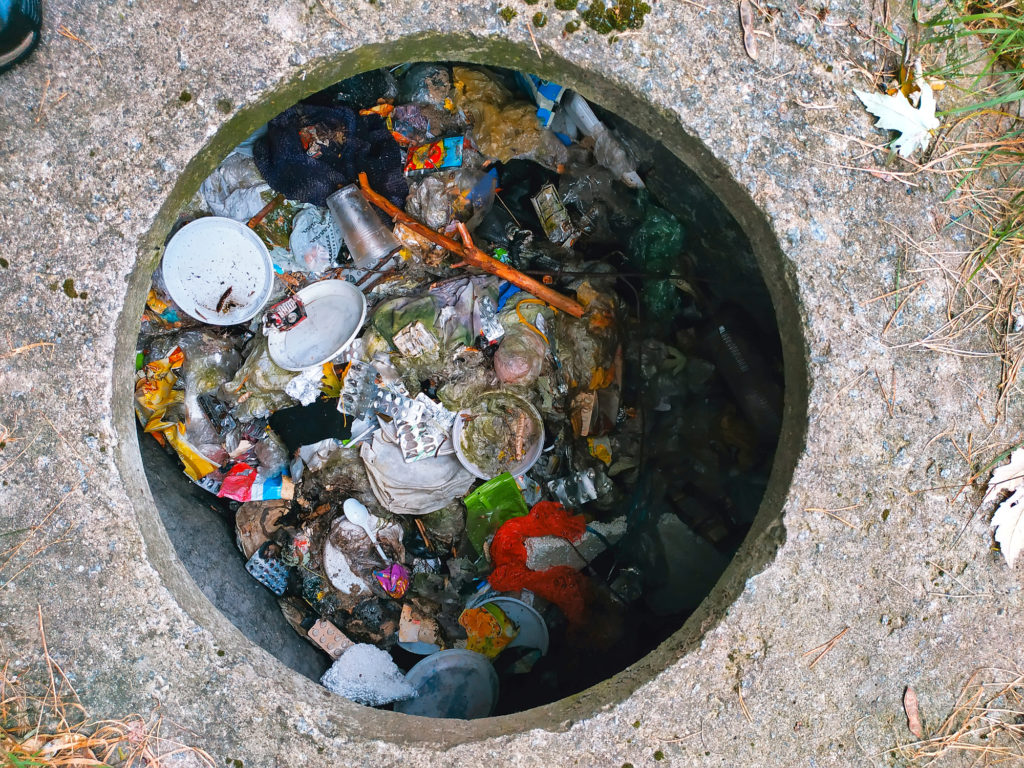
In January 2018, the city reportedly pulled more than 90,000 pounds of beads from just five blocks of its storm drains, almost double the amount collected the previous year. And the beads aren’t just a potential contributor to blocked drains and flooding. Because they are made of cheap plastic, the beads also contain contaminants that can leach into water and soil.
Recycling is limited, but is drawing more attention, particularly after the city announced the volume of beads trapped in stormwater drains. The city now offers dozens of locations where people can drop off their beads for recycling and buyback. An early adopter of recycling was an organization that creates jobs for children with intellectual disabilities.
Hopefully, this signals a reversal in the drainage trash trend.